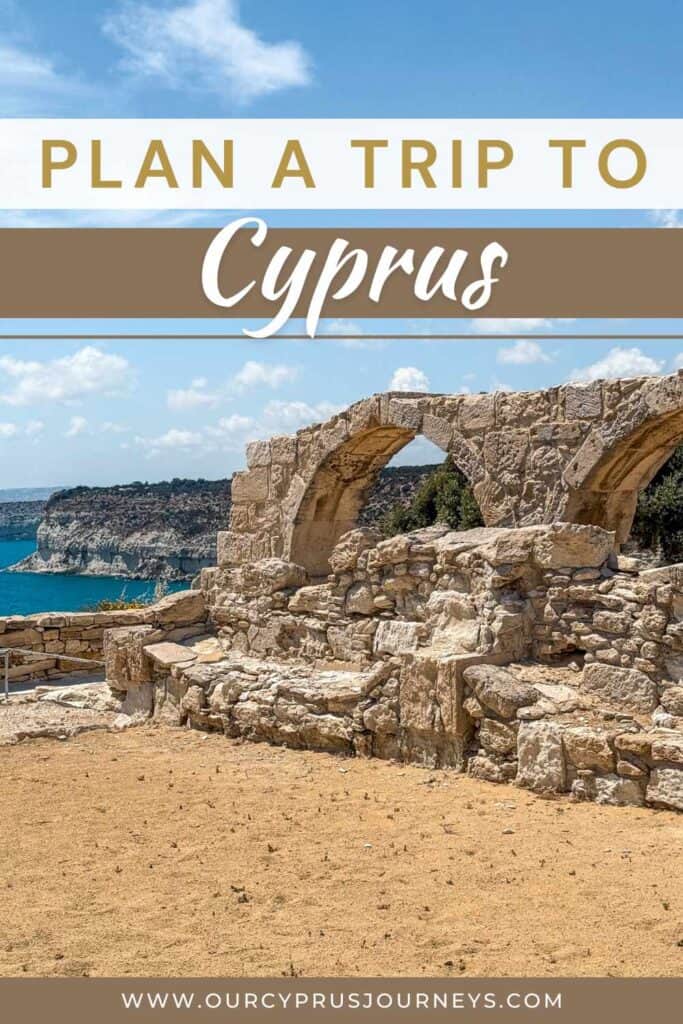
How to Plan a Trip to Cyprus: Tips for First-Time Visitors
Whether you’re dreaming of relaxing on beautiful sandy beaches with crystal-clear turquoise water, wandering through charming villages, exploring ancient archaeological sites, or hiking in the pine-covered Troodos Mountains, Cyprus is a fantastic holiday destination for every type of traveller. From the legendary birthplace of Aphrodite and centuries-old monasteries to vineyard-dotted valleys, lively coastal towns and secluded bays, this Mediterranean island packs an incredible amount of variety into a surprisingly compact destination.
The biggest challenge, however, is knowing how to fit it all into one trip. Therefore, planning a trip to Cyprus can feel more complicated than it first appears. Which part of the island should you stay in? Do you need to hire a car? How many days are enough? And with so many places worth visiting, it’s easy to worry about missing some of the island’s best experiences or spending too much time driving from one place to another.
Having explored Cyprus extensively since making the island our home, we’ve discovered what makes a well-planned trip and where first-time visitors often go wrong. In this guide, we’re sharing everything you need to know to plan your trip to Cyprus with confidence, from choosing the best time to visit and where to stay to building an itinerary that lets you experience the very best the island has to offer.

Disclosure: This blog post contains affiliate links. We may receive a small commission for purchases or bookings made through these links, at no extra cost to you. We only recommend products and services that we’ve personally used and genuinely like. By using our links, you help support our blog and allow us to continue creating helpful free travel guides like this one. For more info, please read the privacy policy.
Need a Little Help Planning Your Cyprus Trip?

Make the Most of Your Time in Cyprus
Planning a trip to Cyprus is exciting, but working out what to see, where to stay and how to fit it all together isn’t always so easy. That’s where we come in, with three ways to make planning easier, from a little expert guidance to a fully personalised Cyprus itinerary.
Plan Your Trip to Cyprus Step-by-Step
1. Decide When to Visit Cyprus
One of the best things about Cyprus is that it’s a fantastic destination for holidays throughout the year. While many people visit for the island’s beautiful beaches and warm Mediterranean Sea, there’s much more to experience, from hiking in the Troodos Mountains and exploring ancient ruins to discovering traditional villages and wineries.
If you’re looking for the best all-round experience, we’d recommend visiting in May, June, September or October. During these months, you’ll usually enjoy warm, sunny weather that’s ideal for sightseeing, hiking and swimming, without the intense heat of peak summer.
You’ll also avoid the busiest holiday crowds that arrive in July and August, when temperatures regularly climb above 35°C and accommodation prices are at their highest. If your priority is long beach days and guaranteed sunshine, the summer months are still an excellent choice.
Alternatively, if you’re more interested in history, culture or outdoor activities, consider visiting between November and April. Winters in Cyprus are generally mild and sunny, making it a great time to explore the island’s archaeological sites, charming villages and scenic landscapes without the crowds. Just keep in mind that December and January see the most rain.
You may also enjoy reading: Best Time to Visit Cyprus: Weather Month by Month

2. Decide How Long to Stay
While you can get a taste of Cyprus in just a few days, we’d recommend spending at least one week in Cyprus if it’s your first visit. The island has far more to offer than its beautiful beaches, and giving yourself extra time means you can explore at a more relaxed pace rather than rushing from one attraction to the next.
If you’re visiting Cyprus for a short break of 3 to 4 days, it’s best to base yourself in one area, such as Paphos or Larnaca, and explore the surrounding region by doing day trips in Cyprus. With 7 to 10 days, you’ll have enough time to experience several parts of the island, combining coastal towns with mountain villages, archaeological sites and scenic nature spots. If you’re lucky enough to have two weeks, you can comfortably slow down, spend longer at each destination and discover some of Cyprus’ lesser-known gems.
Our favourite trip length is around 7 to 10 days. It gives you plenty of time to see the island’s highlights without feeling like you’re constantly on the move, while still leaving room for spontaneous beach stops, long lunches and those unexpected discoveries that often become the highlight of your trip.
Tip: If you’re planning a trip to Cyprus from the USA, it’s worth allowing plenty of time to make the journey worthwhile. As flights are considerably longer than those from the UK and mainland Europe and often involve at least one stopover, we’d recommend spending 10 to 14 days on the island if your schedule allows.


Plan Your Cyprus Trip With Our Travel Guide
Want all our favourite Cyprus spots in one place? Our Cyprus Travel Guide brings together our practical tips and recommendations, plus an interactive map with 250+ saved locations, including attractions, beaches, restaurants, hiking trails, wineries, villages and hidden gems – all easily accessible at your fingertips!
3. Choose Where to Stay
Where you stay will have a big impact on your trip, so it’s worth thinking about what you want to see and do before booking your accommodation. Rather than changing hotels every night, we’d recommend choosing one or two bases and taking day trips around Cyprus from there. Cyprus is relatively compact, making it easy to explore different regions without constantly packing and unpacking.
For a first visit, Paphos is an excellent all-round base, thanks to its mix of beaches, historical attractions and easy access to the Akamas Peninsula. Limassol suits travellers looking for a lively city with great restaurants and a central location, while Larnaca is ideal for shorter trips or late arrivals thanks to its international airport. If you’re planning to hike or explore traditional villages, consider spending a few nights in the Troodos Mountains. Beach lovers will enjoy Ayia Napa and Protaras, while Nicosia is worth considering if you’re particularly interested in culture and history.
Cyprus offers accommodation to suit every style and budget, from luxury beachfront resorts and boutique hotels to self-catering apartments and traditional stone-built guesthouses in the mountains. Spending a little extra time choosing the right base now will make planning the rest of your trip much easier. It also means you’ll spend less time driving and more time enjoying everything Cyprus has to offer.
Read more: Best Areas to Stay in Cyprus
4. Decide Whether You Need a Hire Car
One of the great things about Cyprus is its compact size. You can drive from the west coast to the east in around 2 to 3 hours, making it easy to explore different regions during your trip without spending entire days on the road.
While it’s possible to get around using public transport, we’d recommend hiring a car in Cyprus if you want to experience the best of the island. Intercity buses connect the main destinations, including Paphos, Limassol, Larnaca, Ayia Napa and Nicosia, but reaching smaller villages, hiking trails and many of Cyprus’ hidden gems often takes much longer by bus and usually involves multiple connections.
Hiring a car gives you the freedom to stop at scenic viewpoints, discover quieter beaches and explore at your own pace without having to plan your day around bus timetables. Driving in Cyprus is also relatively easy, with well-maintained roads, clear signage in both Greek and English, and left-hand driving, which will feel familiar if you’re visiting from the UK.
If you only plan to stay in one resort and spend most of your time at the beach, public transport can be a perfectly reasonable option. For almost every other itinerary, though, we’d say a hire car is well worth it.
You might also be interested in: Renting a Car in Cyprus: All You Need to Know
5. Plan Your Activities
Once you’ve decided when you’re visiting and where you’ll stay, it’s time to think about what you actually want to experience in Cyprus. While many visitors come to relax on the beautiful beaches in Cyprus, there’s far more to discover beyond the coastline. Planning your must-do activities first will make it much easier to decide where to stay and how to organise each day.
A well-balanced Cyprus itinerary usually combines a little bit of everything. Spend some time beach hopping along the coast, wander through traditional villages, and venture into the Troodos Mountains to enjoy some of the best outdoor activities in Cyprus, including waterfalls, Venetian bridges and scenic hiking trails. If you’re interested in history, don’t miss the island’s fascinating archaeological sites, museums and centuries-old monasteries.
There are plenty of other experiences to add to your itinerary too. Go wine tasting at local wineries, take a boat trip along the coastline, explore the underwater world on a diving trip, or simply enjoy long lunches in authentic tavernas overlooking village squares. These are just some of the best things to do in Cyprus, and there’s something to suit every travel style.
Rather than trying to see everything, we’d recommend choosing a mix of activities that genuinely interest you. Slowing down and leaving room for a few spontaneous discoveries often leads to the most memorable moments of your trip.
You may also enjoy reading: Best Things to Do in Cyprus




Make your Cyprus memories last a little longer
If your camera roll usually contains hundreds of holiday photos but hardly any good ones of yourself, we know the problem. Our Cyprus photo shoots are a chance to change that. We capture your time on the island with a relaxed, natural photo shoot in some of our favourite locations.
6. Plan Your Route
Once you’ve decided what you’d like to see and do, it’s time to map out your route. A little planning goes a long way in Cyprus and can save you hours of unnecessary driving, allowing you to spend more time enjoying the island instead of sitting behind the wheel.
Rather than zigzagging across the country, try to group attractions by region and explore them over a few days from the same base. For example, you could combine the Akamas Peninsula and Paphos, explore the Troodos Mountains over a day or two, and then continue towards Limassol or the east coast. This road trip around Cyprus creates a much more relaxed itinerary and reduces the amount of time spent travelling between destinations.
If you’d like a little extra help putting everything together, we also offer a personalised Cyprus travel planning consultation. We’ll help you create a route tailored to your interests, recommend the best places to stay, and suggest activities that fit your travel style, so you can enjoy a well-balanced itinerary without spending hours researching and organising everything yourself.
Looking for a sample Cyprus route for 7 days? We’ve put together a detailed one-week Cyprus itinerary covering beaches, history, mountain villages and scenic stops to help you plan your trip day by day.

7. Book the Essentials
Once you’re ready to book your holiday to Cyprus, it’s time to lock everything in. Booking the essentials early usually gives you the best prices and the widest choice, particularly if you’re travelling during the summer holidays.
Start by securing your flights, as prices tend to increase closer to departure. It’s worth comparing different airlines and checking both flight comparison websites and airline websites directly to find the best deals.
Next, book your accommodation, particularly if you’re visiting between June and September when the most popular hotels and resorts can book up months in advance. Booking platforms like Booking.com make it easy to compare locations, prices and guest reviews.
If you’re planning to explore beyond the main towns, book your rental car early too. We always recommend taking out full coverage insurance for extra peace of mind, and we usually book through DiscoverCars to compare prices across multiple providers.
Finally, don’t forget the smaller details, including travel insurance, airport parking or transfers, and arranging an eSIM if you need one.
Once you’ve finalised your itinerary, it’s worth booking any tours and activities you don’t want to miss, as many of the most popular ones sell out well in advance during the summer months.


Common Mistakes to Avoid When Planning a Trip to Cyprus
Even with a little planning, there are a few common mistakes that can make your holiday less enjoyable. Here are the ones we’d recommend avoiding.
- Staying in just one place or changing hotels every night. While Cyprus isn’t a large island, basing yourself in one or two locations usually creates a much more relaxed trip. Constantly moving accommodation can quickly eat into your holiday.
- Not booking popular restaurants in advance. Some of Cyprus’ best tavernas and seafront restaurants fill up quickly, particularly during the summer months. A quick phone call to reserve a table can save you from disappointment.
- Relying entirely on public transport. Buses connect the main towns, but the network is fairly limited once you venture further afield. Hiring a car gives you much more flexibility and makes exploring the island considerably easier.
- Spending your entire holiday at the beach. Cyprus has some spectacular beaches, but they’re only part of the experience. Make time to visit traditional villages, explore the Troodos Mountains, wander through archaeological sites and discover some of the island’s hidden gems.
- Skipping a boat trip. Seeing Cyprus from the water offers a completely different perspective. Whether it’s a sunset cruise, a coastal sightseeing trip or a swim stop in a secluded bay, we’d highly recommend making time for at least one boat trip during your holiday.
Quick Cyprus Packing Checklist
Before you head off, make sure you’ve packed the essentials:
👉 Want the complete packing list with 30+ essentials plus local tips you won’t find in generic packing lists? Join our newsletter below and we’ll send you our free printable Cyprus packing checklist, with all our packing tips and recommendations in one handy guide.
Final Thoughts on Planning a Trip to Cyprus
Planning a trip to Cyprus for a week or more might seem a little overwhelming at first, but once you’ve decided when to visit, where to stay and the experiences you’d like to have, everything else quickly falls into place.
Whether you’re looking forward to relaxing on beautiful beaches, exploring ancient ruins, hiking through the Troodos Mountains or discovering traditional villages, Cyprus offers an incredible variety of experiences that are easy to combine into one unforgettable holiday.
We hope this guide has helped you feel more confident about planning your trip to Cyprus. If you’re looking for even more inspiration, be sure to explore our detailed destination guides, itineraries and travel tips to help you make the most of your time on the island.
Would you like a personalised itinerary and expert help planning your Cyprus holiday? We’d love to help. Book one of our Cyprus travel planning consultations, and we’ll create a tailor-made route, recommend the best places to stay, and help you plan a trip that’s perfectly suited to your interests and travel style.
Madeleine & Carsten
FAQ – Plan a Trip to Cyprus
How many days are enough to visit Cyprus?
We’d recommend spending 7 to 10 days in Cyprus if it’s your first visit. This gives you enough time to experience several regions of the island, combine beach days with sightseeing, and explore traditional villages, archaeological sites and the Troodos Mountains without feeling rushed. If you have two weeks, you’ll be able to discover even more hidden gems at a slower pace.
How much does a trip to Cyprus cost?
The cost of a trip to Cyprus depends on the time of year, your travel style and where you stay. In general, Cyprus offers good value for money compared to many other Mediterranean destinations. Travelling outside the peak summer months and booking your flights, accommodation and rental car in advance can help keep costs down.
Do I need a hire car in Cyprus?
If you’re planning to explore more than one town or visit places beyond the main tourist areas, we’d definitely recommend hiring a car. While buses connect the major cities, public transport is more limited in rural areas and reaching many attractions often takes much longer. A hire car gives you the freedom to explore the island at your own pace.
What is the best month to visit Cyprus?
For most travellers, May, June, September and October offer the best balance of warm weather, comfortable temperatures and fewer crowds. If you’re mainly interested in sightseeing or hiking, the cooler months between November and April are also an excellent time to visit.
Which is the nicest town in Cyprus?
There’s no single answer, as it depends on the type of holiday you’re looking for. Paphos is ideal for first-time visitors thanks to its mix of history, beaches and nature. If you’re looking for a more traditional Cypriot experience, Omodos and Pano Lefkara are both beautiful choices, with charming stone streets, local tavernas and plenty of authentic character.
Which is the prettiest part of Cyprus?
That’s a difficult question to answer because every region has its own charm. The Akamas Peninsula is one of the island’s most beautiful areas, thanks to its dramatic coastline, crystal-clear water and unspoilt landscapes. Ayia Napa and Protaras are famous for their white-sand beaches and stunning turquoise bays, while the Troodos Mountains offer picturesque villages, forests, waterfalls and some of Cyprus’ most scenic drives.
Like this post? Pin it for later!